

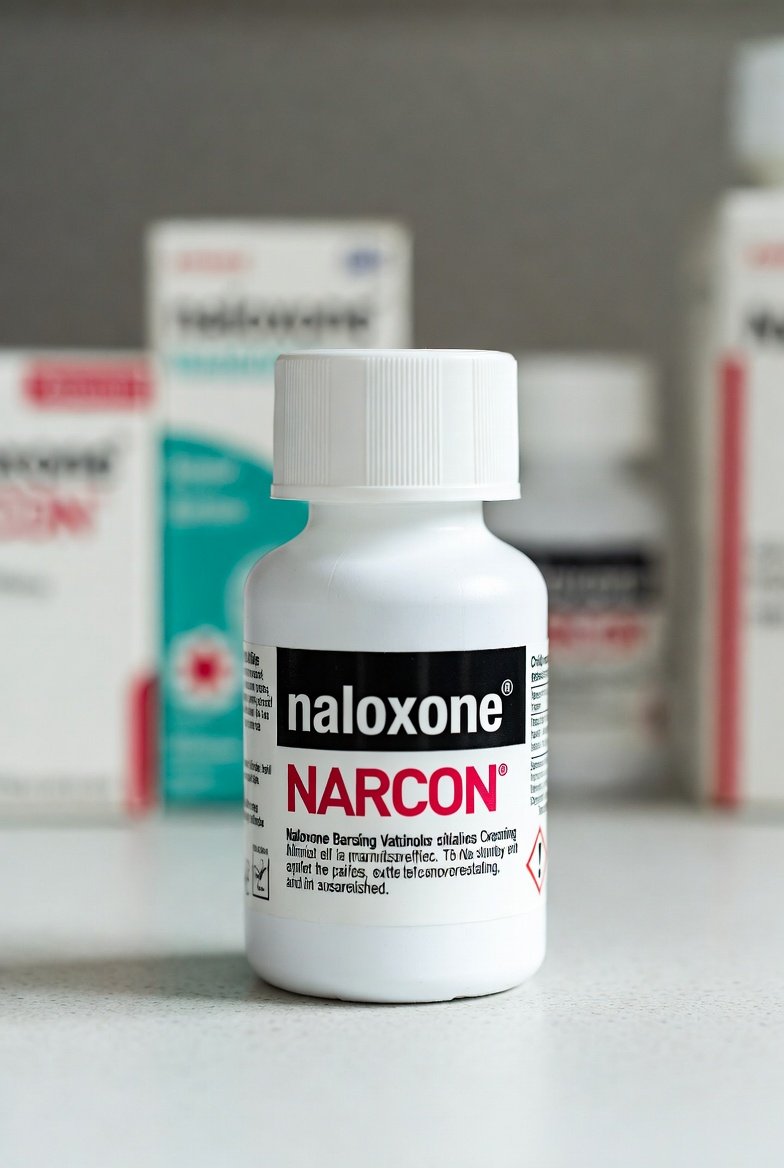
Naloxone Customer Guide
Naloxone is a synthetic morphinan derivative used to rapidly reverse opioid overdose. It works by “knocking” opioids off the brain’s receptors and blocking them for a short period, which restores normal breathing to a person whose system has been depressed by opioids (such as fentanyl, oxycodone, or heroin).
Naloxone (often known by the brand name Narcan) is a life-saving medication designed to rapidly reverse an opioid overdose. It is an “opioid antagonist,” meaning it binds to opioid receptors in the brain and blocks the effects of drugs like fentanyl, heroin, and oxycodone.
1. How It Works
When someone overdoses on opioids, their breathing slows down or stops. Naloxone travels to the brain and physically “bumps” the opioids off the receptors for a short period—usually 30 to 90 minutes. This restores normal breathing and consciousness.
Crucial Note: Naloxone is temporary. Because many opioids stay in the system longer than naloxone, a person can fall back into an overdose once the medication wears off. Always call emergency services (911) immediately, even if the person wakes up.
2. Common Administration Methods
Naloxone is designed to be easy for anyone—bystanders, family, or first responders—to use.
| Method | Description |
| Nasal Spray | The most common version (e.g., Narcan). A single-use device is inserted into a nostril and sprayed. No assembly or priming is required. |
| Auto-Injector | Similar to an EpiPen. It provides voice instructions and injects the dose into the outer thigh (can go through clothing). |
| Injectable | Usually used by professionals; requires drawing the liquid into a syringe and injecting it into a muscle. |
3. Safety and Side Effects
Naloxone is remarkably safe and has no effect on someone who does not have opioids in their system. You cannot “abuse” it, and it does not cause a high.
-
Precipitated Withdrawal: If given to someone who is physically dependent on opioids, it will cause immediate withdrawal symptoms (nausea, body aches, sweating, and irritability). While very uncomfortable, these are rarely life-threatening compared to a fatal overdose.
-
No Risk for Non-Opioids: If you find someone unconscious and aren’t sure if it’s an opioid overdose, giving naloxone will not harm them. It simply won’t do anything if opioids aren’t the cause.
4. Signs of an Overdose
You should consider using naloxone if you see:
-
Slow, shallow, or stopped breathing.
-
Blue or grayish skin, lips, or fingernails.
-
“Pinpoint” (extremely small) pupils.
-
The person is unresponsive to noise or touch.


Reviews
There are no reviews yet.